
Trigeminal Neuralgia Treatment in Nagpur
Trigeminal neuralgia is a chronic nerve pain condition that can cause sudden, severe, electric shock-like pain on one side of the face. Everyday activities such as chewing, speaking, brushing the teeth, washing the face, or feeling a cool breeze may trigger an attack.
Dr. Kamlesh Kakde, a seasoned homeopathy doctor & Founder of Healwithin Homeopathy, a renowned Homeopathy Clinic in Nagpur, explains, “Repeated facial pain should not be dismissed as a minor dental or stress-related concern. A proper neurological diagnosis must come first. Supportive care can then be personalised around the pain pattern, triggers, sleep, emotional health, and overall wellbeing.”
At HealWithin Homeopathy™, Dr. Kamlesh Kakde offers personalised, result-oriented trigeminal neuralgia treatment in Nagpur with a focus on individual symptoms, lifestyle factors, and overall wellbeing, along with appropriate neurological evaluation and prescribed medical care. The approach aims to deliver accessible, responsible, and patient-centred supportive care while encouraging timely diagnosis and specialist consultation whenever required.
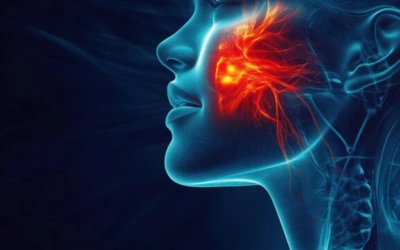
Are you noticing sudden or recurring facial pain? Let’s explore the signs that may indicate trigeminal neuralgia.
Common Signs and Symptoms of Trigeminal Neuralgia
Symptoms often occur in brief, intense attacks, followed by periods with little or no pain. Common signs include:
Stabbing, shooting, or electric shock-like facial nerve pain
Pain mainly affecting one side of the face
Attacks lasting from a few seconds to about two minutes
Pain triggered by cold air, wind, touch, or vibration
Anxiety about eating, speaking, or touching the face
Repeated bursts of pain occurring close together
Pain triggered by chewing, talking, smiling, or swallowing
Sensitivity while brushing, shaving, or washing the face
Pain in the cheek, jaw, teeth, gums, lips, forehead, or eye area
Facial weakness, persistent numbness, visual changes, fever, a new severe headache, or pain after an injury requires prompt medical evaluation.
Early understanding of symptoms can support better care decisions. Get in touch with an expert for personalised guidance.
Did you know that trigeminal neuralgia has different types? Let’s discover how each type affects symptoms and treatment planning.
Types of Trigeminal Neuralgia

Classical trigeminal neuralgia
Usually linked to a blood vessel pressing on the trigeminal nerve near the brainstem.
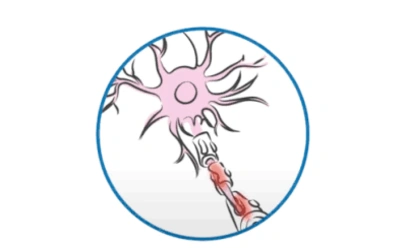
Secondary trigeminal neuralgia
Caused by another condition, such as multiple sclerosis, a tumour, cyst, vascular abnormality, facial injury, or surgical nerve damage.
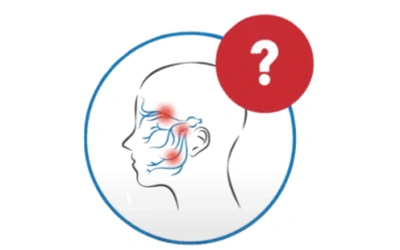
Idiopathic trigeminal neuralgia
Diagnosed when no clear structural cause is identified.
Some patients also experience a continuous aching or burning sensation between sharp attacks. Correct classification is important because management depends on the pain pattern and underlying cause.
Why does trigeminal neuralgia affect specific facial areas? Let’s explore the role of the trigeminal nerve in facial pain.
Facial Areas Affected by Trigeminal Neuralgia
The trigeminal nerve, also called the fifth cranial nerve, carries facial sensation to the brain and supports chewing. It is divided into three branches:
Ophthalmic branch (V1)
Forehead, scalp, upper eyelid, eye region, and upper nose.
Maxillary branch (V2)
Cheek, lower eyelid, side of the nose, upper lip, upper teeth, gums, and palate.
Mandibular branch (V3)
Lower lip, lower teeth, gums, jaw, chin, part of the tongue, and chewing muscles.
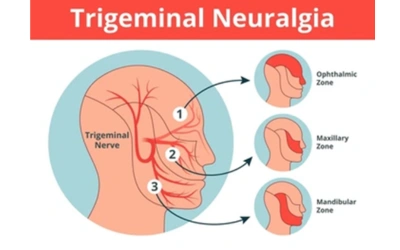
The maxillary and mandibular branches are affected most often, which is why the condition may initially resemble tooth or gum pain.
What causes sudden facial nerve pain? Let’s discuss the factors linked with trigeminal neuralgia.
Causes and Risk Factors of Trigeminal Neuralgia
The most recognised cause is compression of the nerve by a nearby artery or vein. Other possible causes and risk factors include:
Multiple sclerosis or damage to the nerve’s protective myelin covering
Tumours, cysts, or abnormal blood vessels
Facial trauma or previous surgery
Increasing age, particularly after 50
Certain neurological disorders
Family history in a small number of cases
Women are affected more often than men. Younger patients, people with bilateral pain or those with sensory loss may need more detailed investigation for a secondary cause.
How can doctors identify the actual cause behind facial nerve pain? Let’s explore the evaluations and assessments used for accurate diagnosis.
Diagnostic Approaches and Neurological Evaluation for Trigeminal Neuralgia
There is no single blood test that confirms trigeminal neuralgia. Diagnosis is usually based on the location, duration, character and triggers of pain, supported by examination and imaging.
Evaluation may include:
MRI to look for nerve compression, multiple sclerosis, tumours, or other changes
Referral to a neurologist, neurosurgeon, or pain specialist when needed
Review of migraine, sinus, eye, and ear-related causes
Detailed pain and trigger history
Examination of facial sensation and reflexes
Dental assessment to exclude tooth infection or jaw disorders
Patients should bring previous scans, prescriptions, and treatment records.
Can holistic care support people living with nerve pain? Let’s discover how lifestyle and wellness support may help.
Role of Holistic Support in Trigeminal Neuralgia Management
Frequent attacks may affect sleep, nutrition, work, mood, and social interaction. Fear of pain may make a person avoid eating, speaking, or leaving home.
Homeopathy for facial nerve pain follows an individualised approach by considering the person’s unique symptoms, pain patterns, triggers, and overall health profile. Holistic nerve pain management may include personalised homeopathic support, lifestyle guidance, and wellness practices to help patients manage their condition better.
At HealWithin Homeopathy™, the focus is on understanding each patient’s health journey and providing supportive care while encouraging appropriate neurological evaluation whenever required.

Why does every patient need an individualised approach? Let’s explore how personalised care plans are created.
Personalised Supportive Care at Healwithin Homeopathy
At HealWithin Homeopathy™, Dr. Kamlesh Kakde studies the exact pain pattern, affected facial area, triggers, timing, sleep, digestion, stress, medical history, and response to earlier treatment.
A supportive care plan may include:
Detailed case assessment
Mapping the frequency, intensity, duration, and triggers of each pain episode.
Individualised homeopathic prescription
Selecting remedies according to the person’s complete symptom profile rather than prescribing the same remedy to every patient.
Lifestyle guidance
Reducing avoidable triggers while protecting nutrition, sleep, and daily functioning.
Progress monitoring
Reviewing pain episodes, eating ability, sleep, emotional wellbeing and response to ongoing neurological treatment.
Collaborative care
Encouraging continued neurological follow-up, MRI evaluation, and specialist referral whenever indicated.
Patients looking for a homeopathy clinic in Nagpur can access supportive care for neurological and chronic health concerns. Dr. Kakde’s approach emphasises individualised planning for homeopathic treatment for trigeminal neuralgia, holistic care, research-oriented protocols, and patient education.
Can identifying triggers help manage facial pain better? Let’s discover lifestyle steps that may support daily comfort.
Dr. Kamlesh Kakde’s Approach to Lifestyle and Trigger Management for Trigeminal Neuralgia
Triggers differ from one patient to another. Dr. Kakde may advise maintaining a pain diary that records the time, duration, severity, facial area, weather, food, stress, and activity associated with each attack.
Practical measures may include:
Using lukewarm water for washing the face
Protecting the face from direct cold air and strong winds
Choosing softer, nutritious foods during severe episodes
Using a soft toothbrush and a gentle oral-care technique
Avoiding very hot or cold foods when they trigger pain
Maintaining regular sleep and relaxation routines
Taking prescribed neurological medicines consistently
Attending scheduled dental and neurological reviews
Avoiding unnecessary touching or pressure on known trigger points
Seeking reassessment when the pain pattern changes
Lifestyle measures cannot remove nerve compression or resolve an underlying neurological condition. However, they may help reduce avoidable triggers, support daily functioning, and make recurring episodes easier to manage.
What makes expert guidance important for managing chronic nerve conditions? Let’s explore Dr. Kamlesh Kakde’s expertise in trigeminal neuralgia care.
Why Choose Dr. Kamlesh Kakde for Trigeminal Neuralgia Treatment in Nagpur?
Specialised Experience in Chronic Conditions
Extensive experience in managing complex neurological and chronic health concerns through personalised homeopathic care.
Individualised Treatment Approach
Each case is assessed based on symptoms, triggers, medical history, and overall health profile.
Research-Oriented Practice
Focuses on evidence-based clinical research and innovative approaches in homeopathy.
Expertise in Neurological Disorders
Special interest in conditions affecting the nervous system, including dystonia and chronic nerve-related concerns.
Personalised Homeopathic Support
Provides carefully selected homeopathic remedies based on individual symptom patterns and patient needs.
Academic and Clinical Expertise
Holds BHMS, MD (Homoeopathy), and is a PhD scholar with contributions to homeopathic research and publications.

The right professional guidance can make your treatment journey clearer. Connect with an experienced healthcare expert today.
Frequently Asked Questions
1. What is the main symptom of trigeminal neuralgia?
The condition usually causes sudden, severe, and electric shock-like pain affecting one side of the face.
2. What commonly triggers trigeminal neuralgia pain?
Chewing, speaking, brushing, shaving, washing the face, light touch, cold foods, and strong wind are common triggers.
3. Is trigeminal neuralgia a dental problem?
It may feel like tooth or gum pain, but the source can be neurological. A dental examination helps exclude infections, cracked teeth, and jaw disorders.
4. Can trigeminal neuralgia return after improving?
Yes. Some patients experience symptom-free remission periods, but the pain may return later.
5. Can homeopathic care be taken with prescription medicines?
Patients should share their complete medicine list with both practitioners. Never stop or reduce prescribed treatment without the neurologist’s advice.
Disclaimer: The information shared in this content is for educational purposes and not for promotional use.