- Your cart is empty Browse Shop

- Home
- About
- Treatments
- Autism Spectrum Disorder
- Dystonia Treatment
- Neurological Disorders
- Respiratory Disorders
- Cardiovascular Disorders
- Digestive & Gastrointestinal Disorders
- Endocrine & Metabolic Disorders
- Musculoskeletal Disorders
- Autoimmune & Chronic Inflammatory Disorders
- Renal & Urinary Disorders
- Pediatric Conditions
- Gynecological & Hormonal Issues
- Skin & Hair Disorders
- Allergies & Hypersensitivities
- Dental & Oral Health
- Pathological, Surgical, Emergency Conditions
- Gestational care
- Services
- Resources
- Contacts
- Book An Appointment
- Orders
- Home
- About
- Treatments
- Autism Spectrum Disorder
- Dystonia Treatment
- Neurological Disorders
- Respiratory Disorders
- Cardiovascular Disorders
- Digestive & Gastrointestinal Disorders
- Endocrine & Metabolic Disorders
- Musculoskeletal Disorders
- Autoimmune & Chronic Inflammatory Disorders
- Renal & Urinary Disorders
- Pediatric Conditions
- Gynecological & Hormonal Issues
- Skin & Hair Disorders
- Allergies & Hypersensitivities
- Dental & Oral Health
- Pathological, Surgical, Emergency Conditions
- Gestational care
- Services
- Resources
- Contacts
- Book An Appointment
- Orders
- Home
- About
- Treatments
- Autism Spectrum Disorder
- Dystonia Treatment
- Neurological Disorders
- Respiratory Disorders
- Cardiovascular Disorders
- Digestive & Gastrointestinal Disorders
- Endocrine & Metabolic Disorders
- Musculoskeletal Disorders
- Autoimmune & Chronic Inflammatory Disorders
- Renal & Urinary Disorders
- Pediatric Conditions
- Gynecological & Hormonal Issues
- Skin & Hair Disorders
- Allergies & Hypersensitivities
- Dental & Oral Health
- Pathological, Surgical, Emergency Conditions
- Gestational care
- Services
- Resources
- Contacts
- Book An Appointment
- Orders
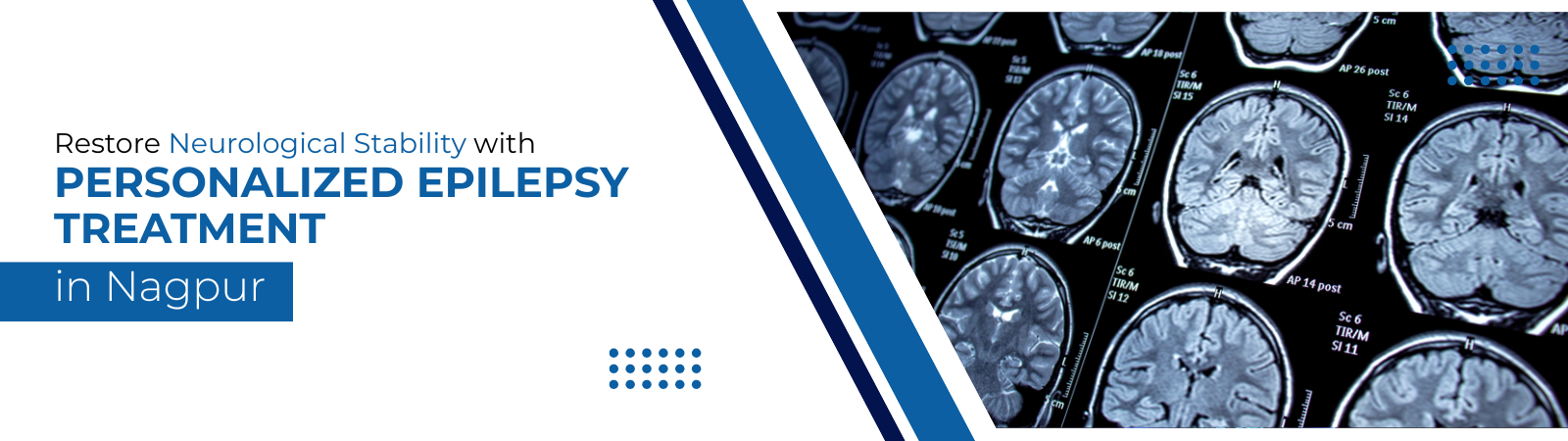
Epilepsy Treatment Nagpur

Epilepsy is a neurological disorder marked by recurrent seizures caused by abnormal electrical activity in the brain. Proper diagnosis, consistent medical care, and a personalised approach are important for managing symptoms and improving quality of life.
Dr. Kamlesh Kakde, an accomplished homeopathy doctor in Nagpur, shares, “Every epilepsy case has a unique pattern. By understanding the complete health picture and individual triggers, a more personalised supportive approach can be planned while ensuring appropriate neurological care.”
At HealWithin Homeopathy™, Dr. Kamlesh Kakde follows a personalised approach that looks beyond seizure episodes to understand the complete health profile of each individual. By considering medical history, lifestyle patterns, emotional factors, and symptom characteristics, supportive care for epilepsy treatment in Nagpur is tailored to promote better symptom management and overall wellbeing.
Are you aware of the signs that may indicate epilepsy? Let’s explore the common symptoms associated with seizures and epilepsy.
Common Signs and Symptoms of Epilepsy
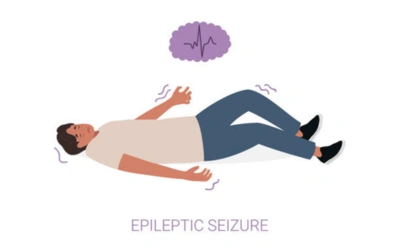
Epilepsy symptoms can vary depending on the type of seizure and the area of the brain involved. Some seizures may cause noticeable movements, while others may appear as brief changes in awareness or behaviour.
Common epilepsy symptoms include:
Repeated seizures without an identifiable immediate cause
Temporary confusion or loss of awareness
Uncontrolled jerking movements of arms or legs
Staring spells with reduced responsiveness
Sudden changes in sensation, emotions, or behaviour
Muscle stiffness or sudden falls
Loss of consciousness in some cases
Unusual sensations such as strange smells, tastes, or feelings before a seizure
Some individuals experience warning signs before a seizure, known as an aura. These may include dizziness, unusual emotions, visual changes, or a feeling that something is different.
Recognising these signs early can help in seeking proper neurological evaluation and developing an appropriate, holistic seizure management plan.
Did you know epilepsy can present in different forms? Let’s discover the major types of seizures and how they differ.
Types of Epilepsy and Seizure Disorders
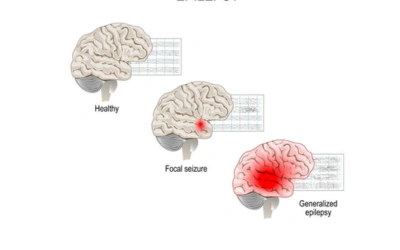
Epilepsy is classified based on where abnormal brain activity begins and how seizures affect the body.
Common types include:
Focal seizures:
Begin in a specific area of the brain and may cause changes in awareness, sensation, or movement.
Generalised seizures:
Involve both sides of the brain and may lead to loss of consciousness and widespread body movements.
Absence seizures:
Cause brief episodes of staring and reduced awareness, commonly seen in children.
Tonic-clonic seizures:
May involve muscle stiffness, jerking movements, and temporary loss of consciousness.
Myoclonic seizures:
Cause sudden, brief muscle jerks.
Atonic seizures:
Lead to sudden loss of muscle control, sometimes causing falls.
Understanding the seizure type is important because treatment decisions depend on accurate diagnosis, medical history, and individual needs.
What factors can contribute to epilepsy development? Let’s discuss the possible causes and risk factors linked with this condition.
Causes and Risk Factors of Epilepsy
Epilepsy can develop due to different factors affecting brain function. In some cases, the exact cause may not be identified.
Possible causes and risk factors include:
Genetic factors affecting brain activity
Brain injuries or head trauma
Stroke or reduced blood supply to the brain
Brain infections such as meningitis or encephalitis
Developmental conditions affecting brain structure
Brain tumours or abnormal growths
Complications during pregnancy or childbirth
Family history of epilepsy
Certain triggers may increase seizure risk in some individuals, including:
Lack of sleep
Excessive stress
Missed medication doses
Alcohol consumption
Flashing lights in sensitive individuals
Illness or fever
A detailed medical assessment helps identify possible causes and contributing factors.
Recognising possible causes can support better long-term epilepsy care. Connect with an experienced professional for a detailed health assessment.
Can overall health factors influence seizure management? Let’s explore how holistic care focuses on the complete health picture.
How Holistic Care Supports Epilepsy Management at HealWithin Homeopathy™

Epilepsy management requires a comprehensive approach that considers not only seizures but also the individual’s lifestyle, triggers, emotional wellbeing and overall health. At HealWithin Homeopathy Clinic in Nagpur, supportive care focuses on understanding each person’s unique health profile through detailed assessment and personalised guidance.
The holistic approach may include:
Understanding seizure patterns and individual triggers
Reviewing lifestyle habits and daily routines
Supporting stress management and emotional wellbeing
Encouraging healthy sleep patterns
Providing personalised homeopathic guidance based on individual symptoms
At HealWithin Homeopathy™, epilepsy is managed through a research-based, evidence-informed, and holistic treatment approach developed in accordance with international standards of homeopathic practice. Every treatment plan is individualized, focusing not only on reducing seizure frequency but also on improving overall neurological health, functional ability, and quality of life. Our protocols are designed to complement ongoing conventional medical care whenever appropriate, allowing patients to continue their prescribed treatments under the guidance of their treating physicians. Any changes to epilepsy medicines or medical therapies should only be made under professional guidance.
How does personalised care support epilepsy management? Let’s explore the role of structured monitoring and supportive strategies.
Advanced Epilepsy Management and Intervention Strategies at Healwithin Homeopathy™
Managing epilepsy often requires regular monitoring, medical guidance, and lifestyle adjustments. At HealWithin Homeopathy™, treatment strategies focus on the holistic improvement of the patient while encouraging appropriate neurological management.
Key strategies include:

Detailed assessment:
Understanding seizure history, symptoms, triggers, and health background.

Personalised care planning:
Creating supportive approaches based on individual needs and symptom patterns.

Trigger management:
Identifying lifestyle and environmental factors that may influence seizures.

Lifestyle guidance:
Supporting healthy sleep, stress management, and balanced routines.

Regular monitoring:
Tracking changes to improve ongoing care decisions.

Collaborative approach:
Ensuring supportive care works alongside recommended medical treatment.
What sets Dr. Kakde’s expertise apart in epilepsy care? Let’s discover his personalised approach and holistic support strategies for better management.
Why Choose Dr. Kamlesh Kakde for Epilepsy Treatment?

Holistic Care Approach:
Dr. Kakde's approach considers physical symptoms, lifestyle factors, emotional wellbeing and daily habits as part of overall health management.
Experience in Neurological Conditions:
With a focus on chronic and neurological concerns, Dr. Kamlesh Kakde follows a detailed assessment-based approach for personalised epilepsy treatment in Nagpur.
Individualised Homeopathic Guidance:
Individualised homeopathic care is planned to bring holistic improvement based on unique symptom patterns, health background, and individual needs.
Research-Based Practice:
Dr. Kakde combines clinical experience with research-oriented methods to provide structured and informed care.
Patient Education and Awareness:
Individuals are guided about epilepsy symptoms, possible triggers, and supportive lifestyle measures for better understanding.
Integrated Care Approach:
Holistic homeopathic care is encouraged alongside appropriate neurological consultation for comprehensive epilepsy management.
Managing epilepsy becomes more structured with the right guidance and personalised support. Speak with a seasoned expert today to explore suitable care options.
Frequently Asked Questions
1. Can epilepsy be cured?
Epilepsy management depends on the cause and type. Many people can control seizures effectively with appropriate treatment.
2. Can homeopathy help with epilepsy?
Homeopathy treats epilepsy through an individualized, holistic approach that addresses the person’s physical symptoms, triggers, and overall health background. This approach aims to bring long-term holistic improvement in overall wellbeing and seizure management, alongside prescribed epilepsy treatment and neurological care.
3. Should epilepsy medicines be stopped after improvement?
No. Medicines should only be changed or stopped under the guidance of an expert.
4. How is epilepsy diagnosed?
Diagnosis may involve medical history, neurological examination, EEG, and imaging tests when required.
5. What lifestyle changes support epilepsy management?
Regular sleep, stress management, healthy habits, and following medical advice can support better management.
Disclaimer: The information shared in this content is for educational purposes and not for promotional use.
Cart (0 items)