
 by
by 


- Your cart is empty Browse Shop
Natural Treatments for Dystonia: The Role of Homeopathy
Dystonia is a neurological movement disorder that causes involuntary muscle contractions, leading to abnormal movements, postures, and discomfort. Understanding triggers, maintaining overall health, and following a personalised care approach can help individuals better manage their symptoms.
Dr. Kamlesh Kakde, an esteemed homeopathy doctor in Nagpur, explains,
“Every dystonia case has a different symptom pattern, trigger profile, and health background. A detailed assessment helps create a supportive care approach focused on the individual’s needs, lifestyle, and overall wellbeing.”
At HealWithin Homeopathy Clinic in Nagpur, supportive care focuses on understanding each individual’s unique health profile through comprehensive examination and personalised homeopathic guidance. Dr. Kamlesh Kakde follows an individualised approach that considers symptom patterns, general health, and lifestyle factors while encouraging appropriate neurological evaluation and care.
What makes dystonia different from other movement disorders? Let’s discover the common types and factors associated with this condition.
Common Types and Causes of Dystonia
Dystonia is a neurological condition characterised by involuntary muscle contractions that cause repetitive movements, twisting movements, or abnormal postures. These muscle contractions occur because of abnormal signals between the brain and muscles.
Dystonia can affect a single body area or multiple parts of the body. The symptoms may vary in intensity and can sometimes interfere with routine activities.
Common symptoms include:
- Uncontrolled muscle contractions
- Repetitive twisting or pulling movements
- Abnormal postures
- Muscle stiffness or tightness
- Tremors or shaking movements in some cases
- Pain caused by prolonged muscle contractions
- Difficulty performing movements requiring coordination
Depending on the affected muscles, dystonia can impact the neck, face, eyelids, hands, legs, vocal cords, or multiple body regions.
For example, cervical dystonia affects the neck muscles and may cause involuntary head turning, tilting, or neck pain. Similarly, facial dystonia may affect muscles around the eyes or mouth and influence expressions, speech, or daily communication.
Noticed unusual muscle movements or changes in posture? Let’s explore what dystonia is and how it can affect daily life.
What Is Dystonia?
Dystonia varies based on the body area affected and the underlying cause. Identifying the type helps in planning appropriate management.
Types of Dystonia:
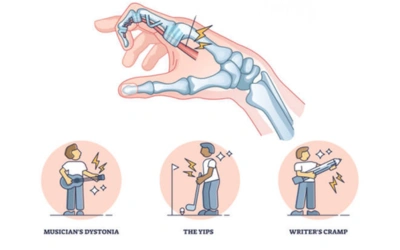
Focal dystonia
Affects one specific body part, such as the neck, eyes, hands, or vocal cords.
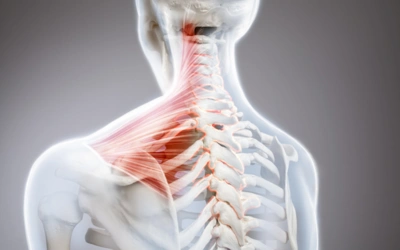
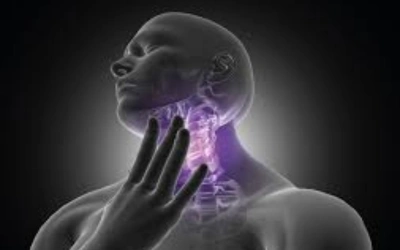
Cervical dystonia
Involves neck muscles and may cause abnormal head positioning, stiffness, and discomfort.
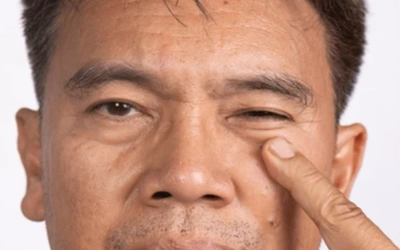
Blepharospasm
Causes involuntary blinking or closing of the eyelids.

Oromandibular dystonia
Affects the jaw, mouth, and facial muscles, impacting chewing or speech.
Laryngeal dystonia
Affects vocal cord muscles and may change voice quality.
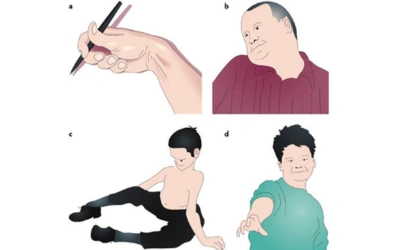
Generalised dystonia
Involves multiple body areas, including the trunk and limbs.
Possible Causes and Risk Factors:
- Genetic changes affecting movement control
- Brain injury or trauma
- Stroke-related changes
- Certain neurological conditions
- Medication-related reactions
- Infections or inflammatory conditions
- Abnormal communication between the brain regions controlling movement
In some cases, the exact cause may not be identified, and it may be classified as idiopathic dystonia. A detailed neurological evaluation helps identify the type, cause, and appropriate management approach for dystonia.
Want to understand how natural approaches may support dystonia care? Let’s explore how lifestyle changes and supportive care may help manage symptoms.
Can Dystonia Be Managed Naturally?
Many individuals look for natural approaches to support their health and improve daily functioning. While dystonia requires proper neurological evaluation, certain lifestyle measures may help support comfort, mobility, and overall wellbeing.
Natural approaches generally focus on:
- Identifying personal triggers
- Improving sleep quality
- Maintaining physical activity within comfort limits
- Managing stress levels
- Supporting overall nutrition
- Following a structured daily routine
Natural support should be considered complementary to medical care. Neurological consultation remains important for diagnosis, symptom monitoring, and appropriate dystonia treatment.
A balanced approach can support better symptom management and daily comfort.
Speak with an expert to understand suitable supportive care options.
Could small lifestyle changes make daily activities easier? Let’s discuss practical habits that may help manage dystonia.
Lifestyle Measures That May Support Dystonia Management
Lifestyle adjustments may not remove dystonia completely, but they can help some individuals cope better with symptoms.Maintain Regular SleepPoor sleep can increase stress levels and may worsen movement symptoms in some individuals.
- Follow consistent sleep timings
- Create a relaxing bedtime routine
- Avoid excessive screen exposure before sleep
- Practice relaxation techniques
- Include breathing exercises or meditation
- Maintain supportive social connections
- Learn new skills, Solve Brain Teasers & Puzzles, Perform non-dominant hand challenge
- Aerobic exercises, cross-body movements, balancing training
- Mind-muscle connection movements
- Note changes in symptoms
- Record possible triggers
- Share observations during medical consultations
- Use supportive seating arrangements
- Avoid prolonged uncomfortable positions
- Take movement breaks during long activities
Can nutrition influence overall health while managing dystonia? Let’s discover how balanced nutrition and hydration support wellbeing.
The Role of Diet, Hydration, and Nutritional Support
A balanced diet supports overall health and provides essential nutrients required for normal body function. While no specific diet can cure dystonia, maintaining nutritional balance may support energy levels and wellbeing.
Important nutritional considerations include:
- Balanced meals: Include vegetables, fruits, whole grains, proteins, and healthy fats.
- Adequate hydration: Proper fluid intake supports general body functions.
- Protein intake: Helps maintain muscle health.
- Micronutrients: Vitamins and minerals play a role in overall neurological health.
Before using supplements, individuals should seek medical advice. Certain supplements may interact with medicines or may not be suitable for every person.
Can personalised care support the unique experience of dystonia? Let’s explore how homeopathic support focuses on individual symptoms and health patterns.
The Role of Homeopathy in Dystonia Care
Homeopathy for dystonia focuses on understanding the complete symptom picture of an individual rather than addressing only one symptom.At HealWithin Homeopathy™, supportive homeopathic care may consider:
- Type and pattern of muscle movements
- Frequency and severity of symptoms
- Factors that worsen or improve symptoms
- Sleep patterns
- Emotional wellbeing
- Stress responses
- Overall health history
What makes dystonia symptoms unique for each person? Let’s discover how detailed assessment supports personalised care planning.
Why Personalised Assessment Is Important
Every person with dystonia may experience different symptoms, triggers, and progression patterns. A detailed assessment helps create a more suitable management strategy.
Important aspects include:
- Understanding symptom patterns: Identifying when movements occur, their severity, and affected areas.
- Reviewing medical history: Previous illnesses, injuries, medications, and family history may provide important insights.
- Identifying triggers: Stress, fatigue, specific activities, or environmental factors may influence symptoms.
- Evaluating overall wellbeing: Sleep, digestion, emotional health, and lifestyle habits may affect symptom experience.
- Monitoring changes: Regular follow-ups help track progress and modify care when required.
Can different care approaches work together for better support? Let’s explore how Homeopathic care can be combined with conventional treatment.
Combining Homeopathic Support With Conventional Dystonia Treatment
Dystonia is a complex neurological movement disorder that often benefits from individualized, patient-centred care. Depending on the severity and clinical presentation, conventional treatment may include medications, botulinum toxin injections, physiotherapy, rehabilitation, movement therapy, and, in selected cases, surgical intervention.
At HealWithin Homeopathy™, homeopathy is practiced as a comprehensive system of medicine that focuses on the individual rather than the diagnosis alone. Individualized homeopathic treatment aims to address the physical manifestations of dystonia while also understanding the underlying emotional, psychological, and constitutional factors that may influence the patient’s health. By treating the person as a whole, the goal is to promote sustained improvement in overall wellbeing, functional capacity, and quality of life.
Homeopathic treatment may be undertaken as a primary therapeutic approach where appropriate or prescribed alongside conventional neurological care whenever patients are already receiving it. The two approaches can coexist without compromising one another, allowing patients to continue essential medical management while benefiting from holistic, individualized homeopathic care. Treatment decisions are always tailored to the patient’s clinical needs, preferences, and ongoing medical supervision.
How can people with dystonia maintain better daily functioning? Let’s discuss long-term strategies that support the overall quality of life.
Long-Term Management and Outlook for People With Dystonia
Dystonia is often a long-term condition that requires ongoing monitoring. The impact can vary widely between individuals.
Long-term management may include:
- Regular neurological follow-ups
- Maintaining recommended therapies
- Learning personal triggers
- Building healthy lifestyle habits
- Seeking emotional and social support
- Adjusting treatment plans when symptoms change
With proper support and management, many individuals can improve their ability to perform daily activities and maintain a better quality of life.
Conclusion
Dystonia can affect movement, posture, and daily routines, but personalised care and consistent management can help individuals handle their symptoms more effectively.
Natural approaches, including lifestyle changes and supportive homeopathic care, may contribute to overall wellbeing when combined with appropriate medical guidance.
At HealWithin Homeopathy™, Dr. Kamlesh Kakde follows a personalised approach by evaluating each individual’s symptoms, health history, and lifestyle factors to provide supportive care focused on long-term wellbeing and better symptom management.
The right guidance can help you take confident steps towards managing dystonia.
Connect with a healthcare expert for personalised support.
FAQs
1. Is homeopathy effective for dystonia?
Homeopathy treats dystonia through an individualized, holistic approach that addresses both the physical manifestations of the condition and the underlying emotional and constitutional factors. This holistic approach seeks to improve overall wellbeing, functional capacity, and quality of life.
2. What is the role of homeopathy for dystonia?
The role of homeopathy in dystonia is to provide individualized, holistic treatment that addresses the person’s physical symptoms, emotional health, and overall constitutional state. Its aim is to support long-term improvement in overall wellbeing, functional capacity, and quality of life rather than focusing only on symptom management.
3. Can diet improve dystonia symptoms?
A balanced diet supports overall health but does not replace medical treatment for dystonia.
4. Are supplements helpful for dystonia?
Supplements should only be taken after consulting a healthcare professional to avoid unnecessary risks.
5. Is dystonia a progressive condition?
The progression varies. Some cases remain stable, while others may change over time and require regular monitoring.
Reference Links:
- National Institute of Neurological Disorders and Stroke (NINDS) – Dystonia Information https://www.ninds.nih.gov/health-information/disorders/dystonia
- Dystonia Medical Research Foundation – Understanding Dystonia https://dystonia-foundation.org/what-is-dystonia/
- Usefulness of Homoeopathic Medicine Lachesis mutus in treating Cervical Dystonia: A case report https://www.ijrh.org/journal/vol19/iss2/5/