- Your cart is empty Browse Shop

- Home
- About
- Treatments
- Autism Spectrum Disorder
- Dystonia Treatment
- Neurological Disorders
- Respiratory Disorders
- Cardiovascular Disorders
- Digestive & Gastrointestinal Disorders
- Endocrine & Metabolic Disorders
- Musculoskeletal Disorders
- Autoimmune & Chronic Inflammatory Disorders
- Renal & Urinary Disorders
- Pediatric Conditions
- Gynecological & Hormonal Issues
- Skin & Hair Disorders
- Allergies & Hypersensitivities
- Dental & Oral Health
- Pathological, Surgical, Emergency Conditions
- Gestational care
- Services
- Resources
- Contacts
- Book An Appointment
- Orders
- Home
- About
- Treatments
- Autism Spectrum Disorder
- Dystonia Treatment
- Neurological Disorders
- Respiratory Disorders
- Cardiovascular Disorders
- Digestive & Gastrointestinal Disorders
- Endocrine & Metabolic Disorders
- Musculoskeletal Disorders
- Autoimmune & Chronic Inflammatory Disorders
- Renal & Urinary Disorders
- Pediatric Conditions
- Gynecological & Hormonal Issues
- Skin & Hair Disorders
- Allergies & Hypersensitivities
- Dental & Oral Health
- Pathological, Surgical, Emergency Conditions
- Gestational care
- Services
- Resources
- Contacts
- Book An Appointment
- Orders
- Home
- About
- Treatments
- Autism Spectrum Disorder
- Dystonia Treatment
- Neurological Disorders
- Respiratory Disorders
- Cardiovascular Disorders
- Digestive & Gastrointestinal Disorders
- Endocrine & Metabolic Disorders
- Musculoskeletal Disorders
- Autoimmune & Chronic Inflammatory Disorders
- Renal & Urinary Disorders
- Pediatric Conditions
- Gynecological & Hormonal Issues
- Skin & Hair Disorders
- Allergies & Hypersensitivities
- Dental & Oral Health
- Pathological, Surgical, Emergency Conditions
- Gestational care
- Services
- Resources
- Contacts
- Book An Appointment
- Orders
Asthma Treatment in Nagpur
Asthma is a chronic respiratory condition that affects the airways, causing symptoms such as breathing difficulty, wheezing, coughing, and chest tightness. These symptoms may vary in intensity and can be triggered by factors such as allergens, pollution, weather changes, infections, or lifestyle-related influences, affecting daily activities and overall comfort.
Dr. Kamlesh Kakde, a noted homeopathy doctor in Nagpur, explains, “Asthma symptoms can differ from person to person, and understanding these individual patterns is important for creating a personalised care approach. A detailed evaluation helps identify influencing factors and supports better long-term health management.”
At HealWithin Homeopathy™, Dr. Kamlesh Kakde approaches Asthma treatment in Nagpur by understanding each individual’s symptom pattern, respiratory history, triggering factors, and overall health condition. His personalised homeopathic care focuses on bringing holistic improvement by addressing the patient’s unique health needs and supporting better respiratory wellbeing.
Are breathing difficulties affecting your daily activities? Let’s explore the common symptoms associated with asthma.
Common Signs and Symptoms of Asthma
Asthma symptoms occur due to inflammation and narrowing of the airways, which can make breathing difficult. Symptoms may appear occasionally or become frequent depending on triggers and severity.
Common signs and symptoms include:

Wheezing:
A whistling sound while breathing, especially during exhalation.

Shortness of Breath:
Difficulty breathing during daily activities or physical effort.

Persistent Cough:
Repeated coughing, often worse at night or early morning.

Chest Tightness:
A feeling of pressure or tightness in the chest.

Breathing Difficulty During Exercise:
Symptoms triggered by physical activity.

Sleep Disturbance:
Night-time coughing or breathing discomfort affecting sleep.

Frequent Respiratory Discomfort:
Repeated episodes of breathing difficulty.
Asthma symptoms may differ in intensity and frequency among individuals. Identifying these patterns helps in understanding the condition better and planning appropriate care.
Did you know asthma can affect people in different ways? Let’s discover the common types and their unique patterns.
Types of Asthma
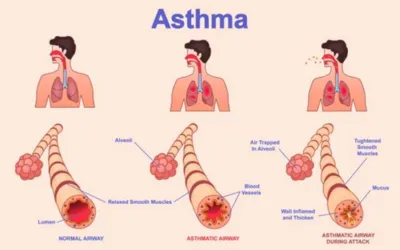
Asthma can be classified based on triggers, symptoms, and the factors responsible for airway sensitivity.
Allergic Asthma
● Triggered by allergens such as dust, pollen, mould, and pet dander.
● Often associated with allergic conditions like rhinitis.
Non-Allergic Asthma
● Triggered by factors other than allergens, such as stress, weather changes, infections, or irritants.
Childhood Asthma
● Develops during childhood and may be influenced by genetic and environmental factors.
Adult-Onset Asthma
● Begins during adulthood and may occur due to environmental exposure, lifestyle factors, or other health conditions.
Exercise-Induced Asthma
● Symptoms appear during or after physical activity due to increased airway sensitivity.
Occupational Asthma
● Triggered by exposure to workplace-related substances such as chemicals, dust, or fumes.
Understanding the type of asthma helps in identifying triggers and creating a personalised asthma treatment approach.
What happens inside the lungs during asthma symptoms? Let’s explore how asthma affects breathing and airway function.
How Asthma Affects the Airways and Lungs
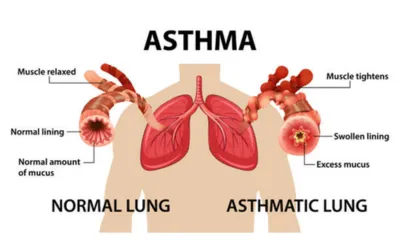
Asthma affects the airways, which are the passages that carry air in and out of the lungs. During an asthma episode, these airways may become inflamed, narrowed, and more sensitive.
The respiratory impact of asthma includes:
Airway Inflammation:
The inner lining of the airways becomes swollen and sensitive.
Muscle Tightening:
Muscles around the airways may contract, reducing airflow.
Increased Mucus Production:
Excess mucus can further narrow breathing passages.
Reduced Airflow:
Narrowed airways make it harder for air to move freely.
These changes may lead to coughing, wheezing, chest tightness, and shortness of breath. Proper evaluation and management help individuals understand their symptoms and improve daily functioning.
Understanding how asthma affects breathing can help you manage symptoms better. Connect with a specialist for professional guidance on respiratory health.
What makes some people more sensitive to asthma triggers? Let’s discuss the common causes and risk factors linked with asthma.
Causes and Risk Factors of Asthma
Asthma develops due to a combination of genetic, environmental, and lifestyle factors. Some individuals may have more sensitive airways that react strongly to certain triggers.
Common causes and risk factors include:
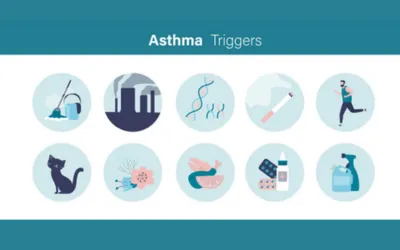
Family History: A genetic tendency towards asthma or allergies.
Allergens: Exposure to dust mites, pollen, mould and pet dander.
Air Pollution: Smoke, pollution and chemical irritants may worsen symptoms.
Respiratory Infections: Certain infections can trigger asthma symptoms.
Weather Changes: Cold air and sudden temperature changes may affect breathing.
Occupational Exposure: Workplace chemicals, dust, or fumes may increase risk.
Lifestyle Factors: Stress, poor sleep, and unhealthy routines may influence symptom patterns.
Identifying personal triggers plays an important role in effective asthma management.
How is asthma diagnosed accurately? Let’s explore the assessments used to understand respiratory health.
Diagnostic Approaches and Respiratory Assessment for Asthma
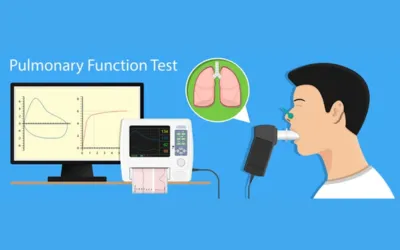
Asthma diagnosis involves understanding symptoms, medical history, and lung function. A detailed evaluation helps differentiate asthma from other respiratory conditions.
Diagnostic approaches may include:
Medical History Review: Understanding symptoms, triggers, and family history.
Physical Examination: Checking breathing patterns and respiratory signs.
Lung Function Tests: Assessing airflow and lung capacity.
Peak Flow Measurement: Monitoring how well air moves out of the lungs.
Allergy Assessment: Identifying possible allergic triggers when required.
A proper respiratory assessment helps create a suitable management approach.
How does personalised care support epilepsy management? Let’s explore the role of structured monitoring and supportive strategies.
How Holistic Care Supports Asthma Management at HealWithin Homeopathy™
At HealWithin Homeopathy Clinic in Nagpur, Dr. Kamlesh Kakde focuses on understanding asthma beyond recurring symptoms. The approach considers individual triggers, lifestyle patterns, emotional wellbeing and overall health condition.
The holistic care approach includes:

Detailed Symptom Assessment:
Understanding frequency, severity, and patterns of asthma symptoms.
Trigger Identification:
Evaluating environmental and lifestyle factors affecting respiratory health.
Personalised Care Planning:
Creating an approach based on individual health needs.
Lifestyle Guidance:
Supporting healthy routines, stress management, and respiratory wellbeing.
Regular Follow-Up:
Monitoring progress and modifying care based on individual responses.
Why does personalised care matter in asthma management? Let’s explore how individualised homeopathic care is planned.
Homeopathic Treatment for Asthma at HealWithin Homeopathy™
At HealWithin Homeopathy™, Homeopathic treatment for asthma focuses on understanding each person’s unique symptom pattern, triggers, and overall health condition.
The approach includes:
Evaluating asthma symptoms and their frequency
Understanding factors that worsen or improve symptoms
Considering lifestyle and emotional health patterns
Selecting individualised homeopathic remedies
Providing guidance for healthier daily routines
What makes Dr. Kamlesh Kakde’s approach unique for asthma care? Let’s explore his expertise and personalised approach towards respiratory health.
Why Choose Dr. Kamlesh Kakde for Asthma Treatment in Nagpur?

Personalised Homeopathic Care
Individualised homeopathic remedies are selected based on each patient’s unique symptoms, sensitivity, and health profile.
Holistic Respiratory Approach
Focuses on improving overall health balance by considering respiratory symptoms along with lifestyle and wellbeing factors.
Expertise in Chronic Conditions
Dr. Kamlesh Kakde has 18+ years of experience in managing long-term health concerns through detailed case analysis and personalised care.
Focus on Individual Triggers
Identifies factors such as allergies, environmental changes, and lifestyle habits that may influence asthma symptoms.
Patient-Centred Consultation
Provides detailed discussions to help patients understand their condition and make informed health decisions.
Structured Follow-Up Support
Regular follow-ups help monitor progress and refine the care approach according to individual health needs.
Lifestyle and Wellness Guidance
Provides guidance related to daily habits, stress management, and healthy routines to support respiratory wellbeing.
Comprehensive Health Perspective
Considers physical symptoms, emotional factors, and overall health patterns for a complete care approach.
The right guidance can make your asthma care journey more personalised. Get in touch with a seasoned professional for expert advice and support.
Frequently Asked Questions
1. What are common asthma symptoms?
Common symptoms include coughing, wheezing, shortness of breath, and chest tightness.
2. What triggers asthma attacks?
Triggers may include dust, pollen, pollution, infections, weather changes, and stress.
3. Can asthma be managed naturally?
Lifestyle changes and personalised care approaches may support overall respiratory wellbeing.
4. Is asthma completely curable?
Asthma is a long-term condition that can be managed effectively with appropriate care.
5. What lifestyle changes help asthma management?
Avoiding triggers, maintaining healthy routines, and following professional guidance may help.
Disclaimer: The information shared in this content is for educational purposes and not for promotional use.
Cart (0 items)