- Your cart is empty Browse Shop

- Home
- About
- Treatments
- Autism Spectrum Disorder
- Dystonia Treatment
- Neurological Disorders
- Respiratory Disorders
- Cardiovascular Disorders
- Digestive & Gastrointestinal Disorders
- Endocrine & Metabolic Disorders
- Musculoskeletal Disorders
- Autoimmune & Chronic Inflammatory Disorders
- Renal & Urinary Disorders
- Pediatric Conditions
- Gynecological & Hormonal Issues
- Skin & Hair Disorders
- Allergies & Hypersensitivities
- Dental & Oral Health
- Pathological, Surgical, Emergency Conditions
- Gestational care
- Services
- Resources
- Contacts
- Book An Appointment
- Orders
- Home
- About
- Treatments
- Autism Spectrum Disorder
- Dystonia Treatment
- Neurological Disorders
- Respiratory Disorders
- Cardiovascular Disorders
- Digestive & Gastrointestinal Disorders
- Endocrine & Metabolic Disorders
- Musculoskeletal Disorders
- Autoimmune & Chronic Inflammatory Disorders
- Renal & Urinary Disorders
- Pediatric Conditions
- Gynecological & Hormonal Issues
- Skin & Hair Disorders
- Allergies & Hypersensitivities
- Dental & Oral Health
- Pathological, Surgical, Emergency Conditions
- Gestational care
- Services
- Resources
- Contacts
- Book An Appointment
- Orders
- Home
- About
- Treatments
- Autism Spectrum Disorder
- Dystonia Treatment
- Neurological Disorders
- Respiratory Disorders
- Cardiovascular Disorders
- Digestive & Gastrointestinal Disorders
- Endocrine & Metabolic Disorders
- Musculoskeletal Disorders
- Autoimmune & Chronic Inflammatory Disorders
- Renal & Urinary Disorders
- Pediatric Conditions
- Gynecological & Hormonal Issues
- Skin & Hair Disorders
- Allergies & Hypersensitivities
- Dental & Oral Health
- Pathological, Surgical, Emergency Conditions
- Gestational care
- Services
- Resources
- Contacts
- Book An Appointment
- Orders
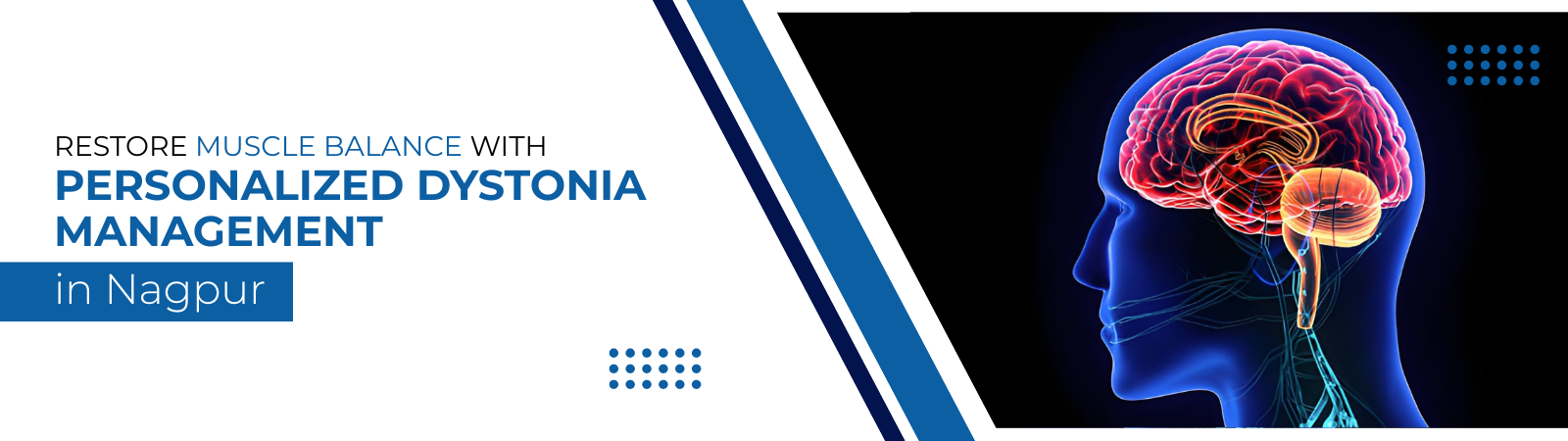
Dystonia Treatment in Nagpur
Dystonia is a neurological movement disorder characterised by involuntary muscle contractions that produce twisting postures, repetitive movements, or sustained spasms. It may remain confined to a single region, such as the neck or eyes, or extend across multiple muscle groups, frequently affecting posture, speech, and routine function.
“Dystonia is often misunderstood and misdiagnosed, which delays the right care,” explains Dr. Kamlesh Kakde, an esteemed homeopathy doctor in Nagpur. “Management works best when it addresses the individual as a whole, their movement patterns, triggers, emotional state, and overall constitution, rather than focusing on the spasm alone.”
At Healwithin Homeopathy, a renowned Homeopathy Clinic in Nagpur, this individualised, whole-person approach defines dystonia treatment in Nagpur. Few conditions demand as much diagnostic precision as dystonia, and Dr. Kakde brings a rare depth of focus to it, having built the “Hope for Healing – Dystonia Support Initiative” around clinical research and published case studies in cervical dystonia and related movement disorders.
How does dystonia first show itself? Let’s explore the signs that most often appear.
Common Signs and Symptoms of Dystonia
Symptoms vary by type and severity, but common signs include:

Involuntary muscle contractions
Sustained or repetitive spasms that the person cannot control.

Twisting or abnormal postures
Affected body parts may hold unusual, fixed positions.

Tremors
Rhythmic, shaky movements, often in the hands, head, or neck.

Task-specific difficulty
Symptoms that surface only during certain actions, such as writing or speaking.

Pain and fatigue
Persistent muscle strain that leads to aching and tiredness.
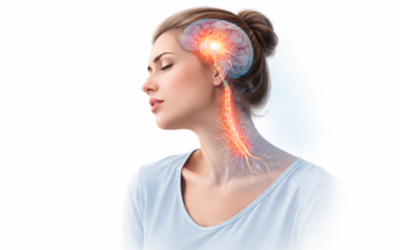
Worsening with stress
Symptoms that intensify during anxiety, fatigue, or emotional strain.
Early symptoms are often subtle and intermittent, which is why they are easy to overlook.
Catching these signs early can make treatment far more effective. Connect with a specialist to understand what your symptoms mean.
Curious about the different forms dystonia can take? Let’s discover how it is classified.
Types of Dystonia
Dystonia is grouped by how much of the body it affects and where it begins:
Focal dystonia
Affects one body part, such as the neck (cervical dystonia) or eyelids (blepharospasm).
Segmental dystonia
Involves two or more connected body areas.
Generalised dystonia
Affects most of the body, often starting in childhood.
Multifocal dystonia
Affects two or more unrelated body parts.
Hemidystonia
Affects one side of the body, often linked to a brain injury.
Identifying the type is essential, as it guides the direction of dystonia/tremor treatment and management.
Which parts of the body can dystonia target? Let’s delve into its anatomical impact.
Body Areas Affected by Dystonia
Dystonia can affect almost any muscle group, and its impact depends on the location:
Neck (cervical dystonia)
The most common form, causing the head to twist, tilt, or pull to one side, often with pain.
Eyes (blepharospasm)
Involuntary blinking or forced closure of the eyelids, which can disrupt vision.
Face and jaw (oromandibular)
Affects chewing, speaking, and facial expression.
Vocal cords (laryngeal)
Strain the voice, making speech sound tight, breathy, or broken.
Hands (writer's cramp)
Task-specific spasms that interfere with writing or fine motor work.
Trunk and limbs
Twisting of the torso, arms, or legs that affects posture, balance, and walking.
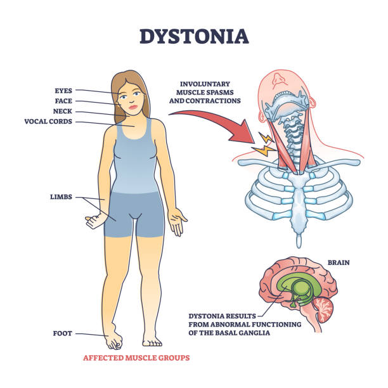
Because dystonia targets the muscles controlling everyday movement, even a focal form can significantly affect independence.
What actually triggers dystonia? Let’s dive into the causes and contributing factors.
Causes and Risk Factors of Dystonia
Dystonia can arise on its own or as a result of another condition:

Genetic factors
Certain inherited gene mutations are linked to dystonia.
Brain changes
Differences in the basal ganglia, the region controlling movement.

Secondary causes
Brain injury, stroke, infection, or oxygen deprivation.

Medication-induced
Some drugs can trigger dystonic reactions.

Environmental triggers
Trauma or repetitive strain in a specific body part.
Because dystonia targets the muscles controlling everyday movement, even a focal form can significantly affect independence.
What can a whole-child approach offer that standard care misses? Let’s delve into the benefits of holistic ASD support.
Body Areas Affected by Dystonia
Because dystonia mimics other conditions, careful evaluation matters:
Clinical examination
Close observation of movement patterns, posture, and muscle response.
Detailed history
Reviewing onset, triggers, family history, and medication use.
Neurological screening
Assessing reflexes, coordination, and muscle tone.
Imaging (MRI/CT)
Used to rule out structural causes such as injury or stroke.
Genetic testing
Considered when an inherited form is suspected.
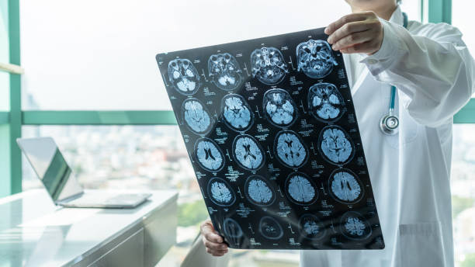
At Healwithin Homeopathy, detailed case-taking goes further, capturing the emotional, physical, and constitutional patterns that guide individualised dystonia treatment.
What can a whole-person approach offer that symptom-only treatment misses? Let’s explore the holistic difference.
How Holistic Care Supports Dystonia at Healwithin Homeopathy?
Holistic care treats the person, not just the spasm. The focus is on overall balance and long-term wellbeing:
1. Addresses root patterns
Looks beyond symptoms to the underlying constitutional state.
2. Reduces stress triggers
Supports emotional health, since stress often worsens dystonia.
3. Gentle, non-suppressive remedies
No sedative side effects, suitable for long-term use.
4. Supports muscle and nerve function
Aims to ease involuntary movement naturally.
5. Improves quality of life
Helps restore comfort, function, and confidence in daily tasks.
Homeopathy fits this model well, as it tailors treatment to each person’s unique expression of the condition.
Looking for an approach grounded in real research? Let’s explore the strategies behind dystonia care here.
Advanced Management and Intervention Strategies at Healwithin Homeopathy
Backed by dedicated dystonia research, the clinic’s approach combines clinical precision with personalised support:
Individualised constitutional treatment
Remedies matched to the person's complete physical and emotional picture, not the label.
Research-led protocols
Drawing on published case studies in cervical dystonia and related conditions.
Trigger and lifestyle management
Practical guidance on stress, posture, and daily habits that influence symptoms.
Integrated support
Coordinating with physiotherapy and other care where helpful.
Ongoing outcome tracking
Regular review of movement, comfort, and progress, with the plan adjusted over time.

The goal is steady, meaningful improvement in both symptoms and daily life.
What makes dystonia treatment here genuinely different? Let’s discuss why patients across Nagpur, across the city, and across the globe in over 11 countries place their trust in Healwithin Homeopathy.
Why Choose Us for Dystonia Treatment in Nagpur?
Research-backed treatment
The approach draws on published, peer-reviewed dystonia case studies. Care is grounded in real clinical evidence, not guesswork.
Holistic, root-focused approach
Treatment addresses the whole person, including stress and lifestyle triggers. This supports deeper, longer-lasting relief.
Gentle on the body, safe long-term
Remedies carry no sedative effects or dependency risk. This makes them suitable for the extended timelines dystonia management often needs.
Trusted By Patients
As a leading Homeopathy Clinic in Nagpur, Healwithin Homeopathy offers compassionate, evidence-informed care. Patients receive consistent, attentive support throughout treatment.
Dedicated dystonia expertise
Dr. Kamlesh Kakde has channelled years of focused work into this exact condition through his "Hope for Healing" initiative. That depth is rare for a disorder that most clinics treat only occasionally.
Online consultation
Patients who cannot visit in person can access expert care remotely. Quality support stays within reach wherever you are.

The right expertise makes all the difference in managing dystonia. Speak with a specialist for reliable, result-driven care.
Frequently Asked Questions
1. Is dystonia curable?
Dystonia is usually a long-term condition, but symptoms can be managed effectively. Homeopathic treatment aims to reduce severity and improve daily function.
2. Can homeopathy help with dystonia?
Yes. Individualised homeopathic care can help ease involuntary movements, reduce discomfort, and support overall wellbeing.
3. Can stress worsen dystonia?
Yes. Stress, fatigue, and anxiety often intensify symptoms, which is why holistic care addresses emotional health too.
4. Does dystonia spread over time?
In some cases it can spread to nearby areas, especially when it begins early. Timely treatment helps manage progression.
5. Is dystonia hereditary?
Some forms are linked to inherited gene mutations, though many cases have no family history.
Disclaimer: The information shared in this content is for educational purposes and not for promotional use.
Cart (0 items)